Robotics and Automation Outreach Program · Cycle 1
RAOP 2026: Research, Learning, and School Teaching
Eight STEM educators joined Howard University’s AVRC Laboratory for two weeks of virtual investigation and one week of supervised laboratory experience. Their learning informs an adaptable curriculum for courses, after-school activities, and clubs.
Virtual: July 6–17, 2026
On-site: July 20–24, 2026
Research experience → school teaching
How RAOP Connects Learning and Teaching
Stage 1
Prepare
Software access, Onramps, and a teaching question
Stage 2
Investigate virtually
Two weeks with MATLAB, Simulink, and QLabs
Stage 3
Work in the laboratory
One week with supervised hardware rotations
Stage 4
Adapt for school
Plan, try, gather evidence, and refine
Guided inquiry-based learning connects each stage: ask a question, make a prediction, test, interpret evidence, and reflect. T1–T6 and school follow-up inform curriculum improvement.
Educator guide
Illustrated platform activities, guided inquiry, and practical school planning.
Explore →Blank T1–T6 forms
Readiness, laboratory checkpoints, participant feedback, group discussion, and advisory review.
Explore →Photos and videos
Explore selected moments from laboratory investigations, demonstrations, and group learning.
Explore →Educator reflections
Tell us what you learned, what you have tried, and what you plan to bring to your school.
Explore →News and program updates
Howard University coverage, first-cycle milestones, and planned follow-up.
Explore →Continue learning
Videos, tutorials, technical references, and resources for curriculum planning.
Explore →From the Pilot to an Adaptable Curriculum
RAOP provides research experience in STEM settings through guided inquiry-based learning. Educators investigate sensors, actuators, data collection, and the connection between software and hardware. The first cycle establishes a foundation that will be expanded, evaluated, and refined across annual cycles.
School implementation follow-up is planned for October 2026. It will examine what educators have implemented or are planning, the resources they need, and how the curriculum can better support teaching.
Thursday Visits and Student Outreach
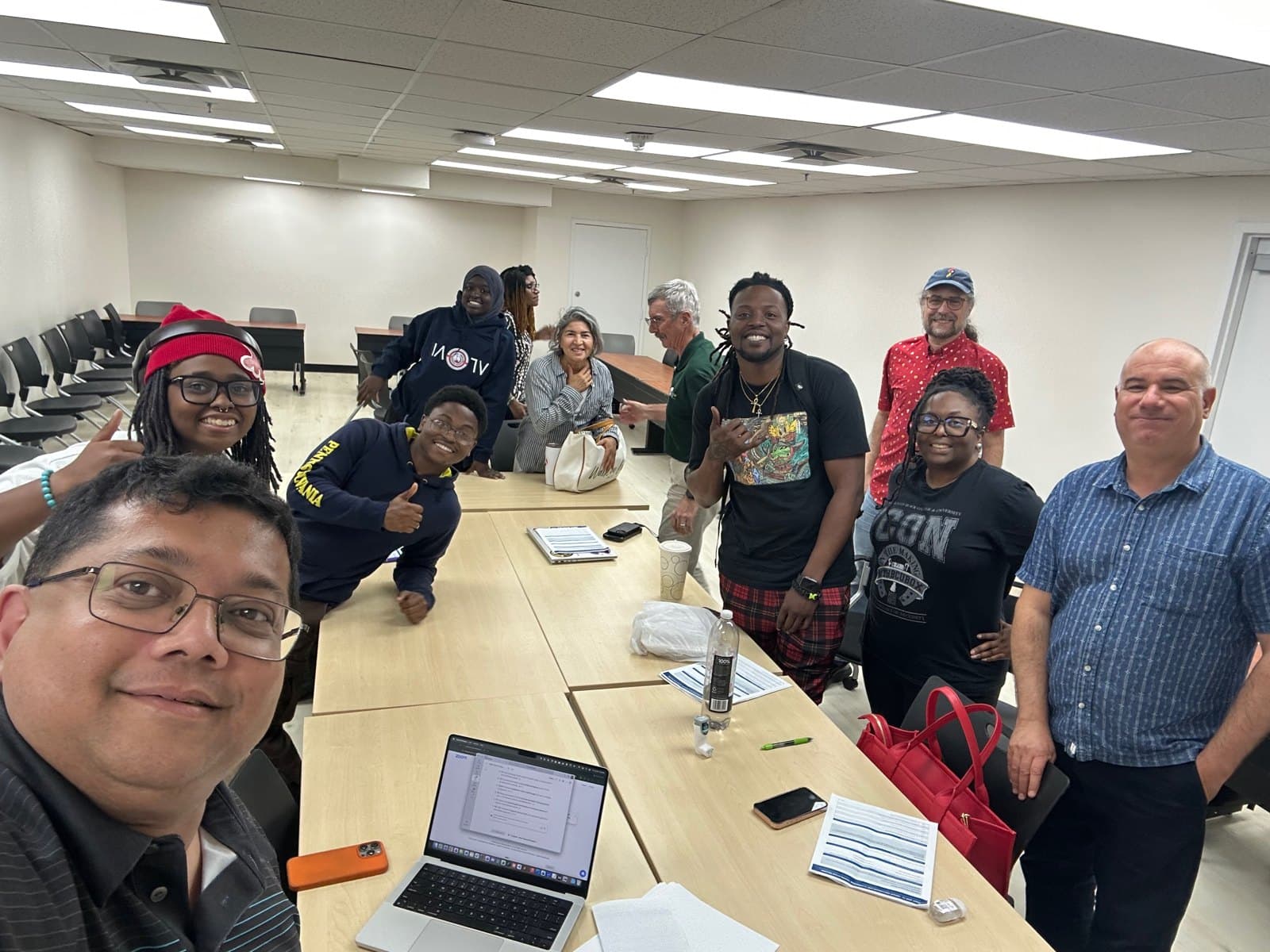
During the on-site week, Dean Kimberly Jones and faculty visited the AVRC Laboratory. High school students from the Drone Academy, hosted by Dr. Harry Keeling, also joined educators on Thursday for demonstrations of QDrone 2, QBot Platform, QArm, Aero 2, and other laboratory resources.
The visit connected educator preparation with student exploration of sensing, simulation, control, and robotics.
View the visit photographsHoward profiles:Dean Kimberly L. Jones ↗Dr. Charles Kim · Interim Chair, EECS ↗
Prepared by the RAOP Project Team · Howard University · NSF Robert Noyce Teacher Scholarship Program, Research Experiences in STEM Settings · Award 2503860.
Follow RAOP & stay connected
Program updates, announcements, and educator highlights.
Instagram links to Fadel Lashhab’s profile. Some social platforms may require sign-in.